
To book driving lessons, select a licensed driving instructor with a dual-control vehicle, choose a lesson format that matches your experience level, and establish a consistent weekly training schedule. Professional instruction teaches you vehicle handling, lane positioning, and defensive scanning routines while helping you log required practice hours. Working with a qualified trainer builds the practical competence and decision-making skills needed to pass the driving test and manage real-world traffic independently.
What to Look for Before You Book Driving Lessons
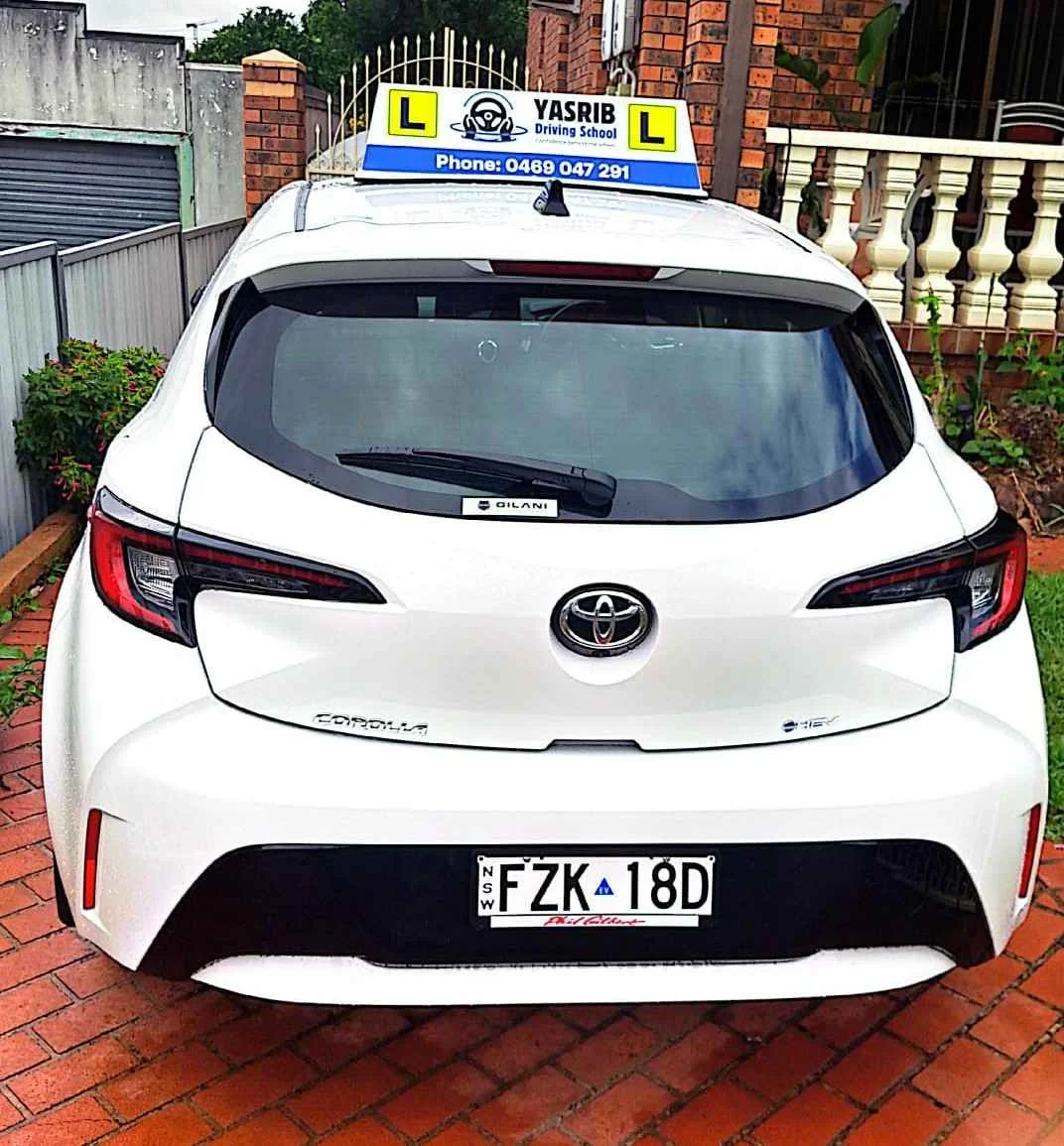
Selecting an instructor involves more than finding an open slot on a calendar. Your training environment directly influences how quickly you build mechanical control, spatial awareness, and hazard perception on the road.
Before booking a session, evaluate the instructor's background, training vehicles, and coverage area. Learning in your local driving environment exposes you to the specific multi-lane intersections, school zones, and complex roundabouts you encounter during daily travel and testing.
| Feature to Evaluate | Why It Matters for Learners | What to Verify |
|---|---|---|
| Instructor Experience | Ensures instruction aligns with official road transport standards and testing criteria | Valid driving instructor licence and formal assessor background |
| Dual-Control Vehicle | Provides an active safety intervention mechanism if an unexpected hazard occurs | Dual brake pedals fitted and operational for passenger-side intervention |
| Local Suburb Coverage | Exposes you to regional traffic patterns, test routes, and local road conditions | Pick-up and drop-off availability across your suburb |
| Language Options | Removes communication barriers during high-stress traffic situations | Clear instruction in your preferred language if needed |
Professional Assessor Experience and Teaching Approach
Qualified instructors structure lessons around defined learning outcomes rather than passive supervision. Trainers with assessment experience understand the common errors that lead to immediate test fails, such as inadequate observation checks at stop signs or late positioning before turns. They break complex manoeuvres into repeatable physical actions and guide your hazard perception ahead of time.
Clear communication plays an equally critical role in skill retention. When instruction is available in languages such as English, Hindi, Urdu, or Punjabi, learners who speak English as an additional language can process complex road rules and rapid instructions without hesitation during heavy traffic situations.
Vehicle Safety and Dual Controls
Safety remains paramount during initial on-road training. Professional training cars feature dual controls, allowing the instructor to apply the brake or steady the vehicle if a sudden hazard develops.
Fitted dual-pedal systems give new learners the confidence to practice emerging skills on public roads without fear of stalling in front of oncoming traffic or misjudging a braking distance. Quality training vehicles also provide clear visibility sightlines, responsive handling, and adjustable seating arrangements that accommodate learners of all heights comfortably.
How Driving Lessons Work: Step-by-Step Progression
Structured driving instruction follows a clear progression designed to move a student from basic vehicle familiarity to independent decision-making. Knowing what to expect from a professional driving school helps you arrive prepared for each stage of the curriculum.
Cockpit Drills and Primary Controls
Foundational training begins before you turn the key in the ignition. Your instructor walks you through systematic cockpit setup procedures to establish an ergonomic, safe driving posture:
- Seat and Pedal Alignment: Adjusting the seat base so your right heel rests on the floor with the ball of the foot pressing the brake fully while maintaining a slight bend at the knee.
- Mirror Configuration: Setting the internal rear-view mirror to frame the entire back window without moving your head, and angling side mirrors outward to show a sliver of the vehicle body alongside the road behind.
- Seatbelt and Headrest Positioning: Ensuring the diagonal sash sits across the collarbone and chest, with the headrest centered level with the top of your ears.
- Blind Spot Familiarisation: Identifying physical visual obstructions caused by car pillars and practicing shoulder checks over your shoulder before moving away from the kerb.
Once these basics are settled, initial driving practice takes place in low-speed, quiet residential backstreets. Here, you master smooth steering hand-over-hand technique, progressive braking, and accurate vehicle positioning between lane markings.
Core NSW Driving Test Manoeuvres
As vehicle control becomes second nature, lessons transition to dedicated manoeuvre coaching. Understanding what a professional driving instructor does during these sessions helps you refine the precise physical reference points required by testing examiners:
- Kerbside Stop and Pull-Away: Positioning the vehicle parallel to and within standard distance of the kerb, securing the parking brake, selecting park or neutral, and performing a full observation check (including blind spot head checks) before signalling and pulling back into the traffic stream.
- Three-Point Turn: Executing a turnaround manoeuvre on a narrow road within a smooth sequence of movements. Instructors teach you to maintain full observational awareness, check both directions before reversing, and avoid touching the kerb with your wheels.
- Reverse Parallel Parking: Backing into a kerbside space behind another vehicle using established reference points. You align parallel with the target car, reverse toward your turning mark, apply full lock steering toward the kerb, and straighten the wheels to finish parallel within the bay.
- Roundabout Navigation: Approaching single and multi-lane roundabouts, selecting appropriate entry lanes based on intended exits, slowing early to scan for circulating vehicles, and signalling correctly when exiting.
Choosing the Right Lesson Option for Your Experience Level
Matching your lesson structure to your current driving stage ensures steady progress and efficient skill acquisition. Yasrib Driving School provides 1 hr beginners Lesson, 1.5 hr beginners Lesson, 6 hr beginners Lesson for Beginner drivers, learner drivers needing log book hours, and overseas licence holders converting to an Australian NSW licence in Merrylands, Parramatta, Lidcombe, Blacktown, and surrounding areas.
Single Sessions vs Multi-Hour Packages
Different learning stages call for different lesson durations:
- 1-Hour Introductory Lessons: Ideal for beginners building fundamental muscle memory without experiencing physical or mental fatigue. These sessions focus on starting, stopping, basic turns, and low-speed parking drills.
- 1.5-Hour Focused Sessions: Highly effective for intermediate drivers. The extended duration allows enough time to travel to complex multi-lane arterial roads, practice high-density intersections, and execute multiple low-speed manoeuvres within a single trip.
- Multi-Hour Training Packages: Practical for learners who need consistent, structured progression to systematically cover all competencies in their driver log book, from night driving fundamentals to high-speed road mergers.
As you near test readiness, review how to book practical driving test appointments so you can align your final lesson packages with your scheduled testing date.
Structured Training for Overseas Licence Holders
Experienced drivers holding an overseas licence face distinct challenges compared to complete beginners. While vehicle handling may already be second nature, overseas drivers frequently encounter unfamiliar local road rules, such as school zone speed limits, give-way protocols at roundabouts, and strict mirror-and-head-check observation routines.
Targeted conversion lessons identify ingrained driving habits that lead to an immediate test fail. Instructors highlight regional road layouts and conduct mock practical assessments so you understand how examiners score your driving in real time.
Common Mistakes Learners Make When Scheduling Driving Lessons
Maximising the return on your training requires thoughtful planning. Learners often make scheduling choices that slow down their skill development:
- Leaving Long Gaps Between Lessons: Booking sessions irregularly causes muscle memory and scanning habits to fade. Weekly or bi-weekly lessons maintain forward momentum and reduce the need to spend lesson time relearning basic vehicle handling.
- Practising Exclusively in Clear Daylight: Sticking only to sunny afternoons limits your exposure to real driving conditions. Schedule sessions that cover wet weather driving, dusk conditions, night visibility, and heavy morning or evening commuter traffic.
- Rushing to the Test Without Habitual Observations: Many candidates attempt the practical assessment the moment they can steer and park, ignoring observational discipline. In the test, failing to turn your head to check a blind spot before changing lanes or pulling out from a kerb results in an automatic fail. Consistent practice turns these checks into automatic habits.
Building long-term safety awareness while learning ensures you retain defensive driving habits long after earning your licence. Developing solid driving habits beyond the road test protects you when you transition to solo driving on busy public roads.
How to Prepare for Your First Driving Session
Arriving prepared for your initial lesson helps ease first-session anxiety and ensures you spend your allotted time behind the wheel rather than sorting out administrative details.
- Verify Your Documentation: Carry your physical, valid learner licence or overseas licence documents. If you record hours manually, bring your official log book; if using an approved digital log book app, ensure your smartphone is charged and active.
- Wear Appropriate Footwear: Choose flat-soled shoes with enclosed toes and solid grip. Bulky work boots, high heels, or backless slides reduce pedal feel and make smooth braking difficult.
- Rest and Hydrate Beforehand: Driving demands continuous visual scanning and rapid cognitive processing. Arriving well-rested improves your reaction time and hazard recognition.
- Communicate Openly with Your Instructor: Tell your instructor about your prior driving experience, specific anxieties, or physical adjustments you require. An open dialogue allows them to tailor the lesson pace to your current comfort level.
When you book driving lessons with a qualified instructor, you build practical, real-world driving habits that keep you safe on the road for years to come.
Frequently Asked Questions
Can I hire someone to teach me how to drive?
Yes. You can hire a licensed driving instructor who operates a dual-control training vehicle. Professional instructors teach you vehicle handling, road laws, and defensive scanning routines, ensuring you develop sound driving habits from your first session on the road.
How much can I pay to learn how to drive?
Driving lesson costs depend on lesson duration, booking format, and whether you choose single lessons or multi-hour packages. Most driving schools offer standard single sessions alongside package options that reduce the cost per hour while covering log book requirements.
How many driving lessons do most learners need before taking the test?
The total number of lessons varies based on your existing behind-the-wheel experience, how often you practice with a supervising driver, and how quickly you master required test manoeuvres. Beginners typically benefit from starting with professional lessons to learn core controls correctly, supplemented by private practice and targeted test-preparation sessions.
Can I do driving lessons if I hold an overseas driver licence?
Yes. Overseas licence holders frequently take professional lessons to adapt to local road rules, lane markings, and driving conventions. Instructors help conversion candidates identify and correct driving habits that could result in a test failure before they sit their practical licensing assessment.


